
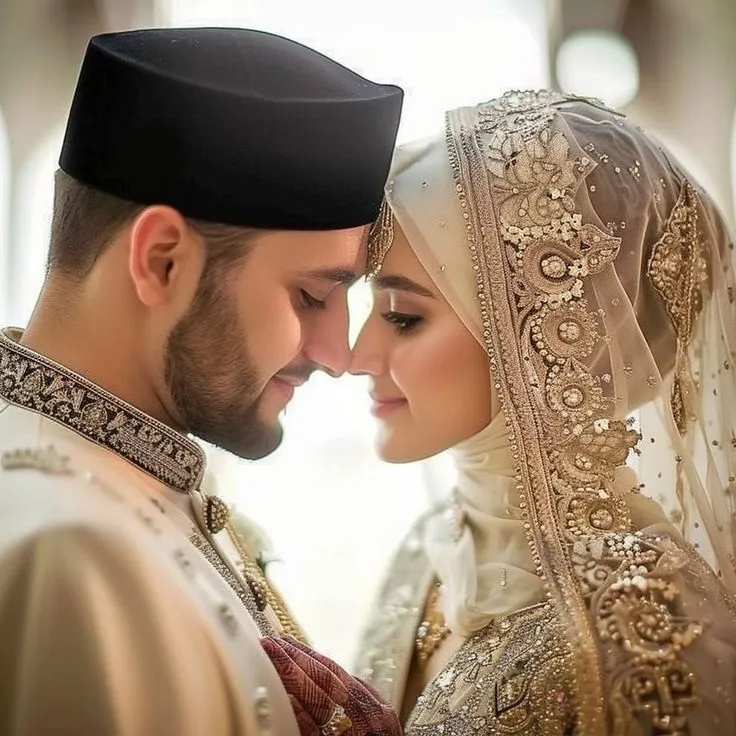
A Muslim wedding can bring together faith, family traditions and personal preferences in one important celebration. From organising the nikkah to choosing a venue and coordinating catering, décor and guests, there are many details that need attention. Managing everything without support can become difficult, particularly when several suppliers and family members are involved.
Muslim Wedding Planners UK provides planning support for couples who want their wedding to remain culturally appropriate and respectful of Islamic requirements. The website describes services available in Birmingham and across the UK, with support covering planning, catering, event management and the practical coordination of Muslim wedding celebrations.
Start with the Right Venue
The venue influences almost every other decision. Guest numbers, seating, catering arrangements and the ceremony itself all depend on choosing a space that can accommodate the couple’s plans.
The website states that its wedding planners have relationships with Muslim-friendly venues across Birmingham and other parts of the UK. Depending on the venue, these may accommodate:
-
Halal catering
-
Gender-appropriate spaces
-
Prayer facilities
-
Islamic event requirements
-
Different guest capacities and layouts
A planner can help couples identify venues that suit their budget and overall vision. Couples should still discuss their exact requirements before confirming a location, as facilities and arrangements can differ from one venue to another.
Making the Nikkah Part of the Plan
For many Muslim couples, the nikkah is the central part of the wedding day. It therefore needs to be considered early rather than added to the schedule at the last moment.
The website states that dedicated nikkah coordinators and Muslim wedding planners can assist with elements including:
-
Nikkah documentation
-
Imam arrangements
-
Seating
-
Guest coordination
-
Ceremony organisation
Bringing these details together can help the ceremony fit smoothly with the rest of the day. Couples can discuss their preferred format, family involvement and any venue-specific requirements with the planner before final arrangements are confirmed.
Halal Catering and Guest Experience
Food plays an important part in many wedding celebrations. The website identifies halal catering as one of the main services offered through its wedding-planning support.
Planning the meal involves more than selecting dishes. Guest numbers, service timings, venue restrictions and the wider wedding schedule all need to work together. Experienced planners can coordinate with catering teams so that food service fits around the nikkah, reception and other parts of the celebration.
The website’s Arrangements section also states that halal-certified cuisine receives particular attention and that experienced catering teams are used to provide menus suitable for different tastes.
Décor That Reflects the Occasion
Wedding décor can help a venue feel personal without losing sight of religious or cultural preferences.
The website refers to modest décor as part of Muslim wedding planning and also describes floral arrangements, stage backgrounds, thematic elements and customised invitations within its wider arrangement services.
Couples may therefore discuss:
-
Stage and backdrop ideas
-
Floral arrangements
-
Seating presentation
-
Themed decorative details
-
Custom invitations
-
Cultural preferences
The aim is not simply to make the space visually impressive. Good décor should work with the venue, guest layout and overall tone of the celebration.
Coordinating Vendors and Logistics
One of the most practical roles of a wedding planner is keeping different suppliers and arrangements connected.
The website describes professional Muslim wedding planners as helping with vendor coordination, venue management, catering and event execution. This can be particularly valuable when several businesses need access to the venue at different times.
A planner may help ensure that the venue, catering team and other suppliers are working around the same schedule. This reduces the risk of couples or family members having to manage every logistical detail themselves on the wedding day.
Support Across Different UK Cities
The Wedding Planners section refers to planning services and partnerships in several areas, including:
-
Birmingham
-
Leicester
-
Leeds
-
London
-
Manchester
-
Wider locations across the UK
The exact planner, venue or supplier options may vary depending on location. Couples should therefore enquire directly about what is available in their chosen city rather than assuming that every service is identical nationwide.
The website provides an enquiry form for couples interested in discussing their plans. Ismail can also be contacted on 07449 173410, while Alisha is available on 07737 309349.
Planning Around the Couple
Every wedding has different priorities. Some couples may want an intimate nikkah, while others are organising a larger celebration involving extensive catering, décor and guest management.
The website describes its wedding-planning approach as customised, with attention given to cultural details and the couple’s requirements. This allows venue choice, catering, ceremony arrangements and decorative elements to be considered as parts of one overall plan rather than separate tasks.
Conclusion
A well-organised Muslim wedding requires religious considerations and practical planning to work together. Venue arrangements, halal catering, the nikkah, guest seating, décor and supplier coordination can all affect how smoothly the celebration runs.
By connecting couples with planners experienced in Islamic wedding requirements, Muslim Marriage Events offers support for organising weddings that reflect faith, culture and personal preferences. With the main details coordinated in advance, couples and their families can spend less time managing logistics and more time experiencing the significance of the occasion.
